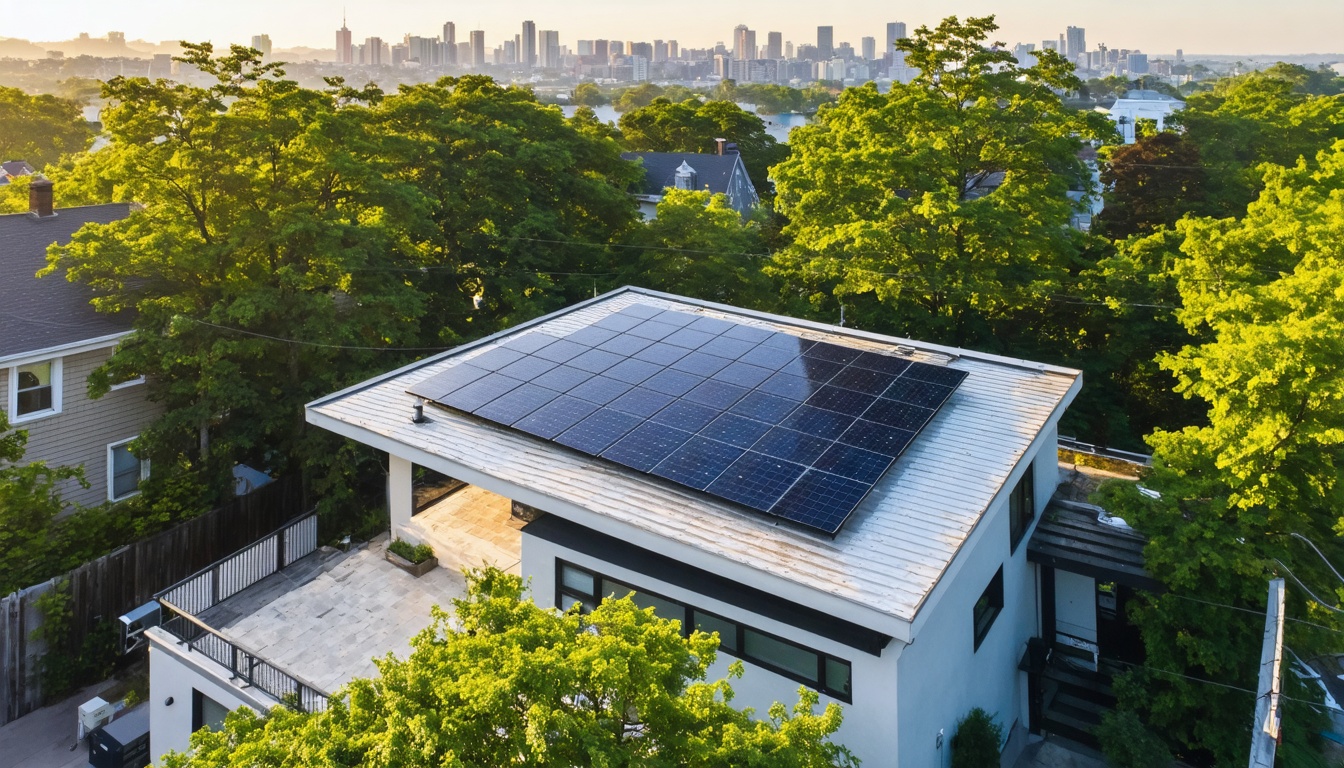
Solar Ready Roof Upgrades That Matter for Homes in Jamaica, New York
If you own a home in Jamaica, New York, upgrading your roof for solar panels can offer financial benefits through energy savings and potentially enhance property value. However, prior to proceeding, several important factors should be considered, including the condition of the roof, its compatibility with solar panel systems, local building codes, and available financial incentives. The roof's condition is crucial, as it must be in good shape to support the weight of solar panels and withstand weather conditions. Homes with older roofs may need significant repairs or a complete replacement before installation. Compatibility with solar systems involves considering roof orientation, slope, and shading from trees or neighboring buildings, all of which influence the efficiency of solar power generation. Local regulations can affect your ability to install solar panels, as zoning laws and permitting processes differ by municipality. Compliance with these regulations is necessary to avoid potential fines or installation delays. Additionally, various incentives, such as federal tax credits or state rebates, may be available to offset installation costs. It is advisable to research and understand the current incentives to determine their applicability to your situation. In summary, while solar-ready roof upgrades can yield benefits, it is important to conduct thorough assessments and research to ensure a strategic approach to installation.
Evaluating the Condition of Flat Roofs for Solar Installations
Evaluating the readiness of a flat roof for solar panel installation requires careful consideration of several critical factors, notably the age and condition of the roof. Typically, a newer roof is preferred for solar installations, as it is likely to provide a more robust foundation for the panels. Conversely, an older roof may necessitate repairs before solar panel installation can proceed.
In urban areas, such as New York City and Brooklyn, it is essential to perform a comprehensive inspection of the roof. This assessment should include an evaluation of surface damage, the structural integrity of the decking and rafters, and the overall soundness of the framework.
A systematic site evaluation, conducted by qualified structural engineers, is essential to determine whether repairs are needed.
It is worth noting that minor damage to the roof can often be repaired without significant delay, which should not dissuade homeowners from pursuing solar panel installation. Proactively addressing any structural concerns can streamline the installation process and contribute positively to the long-term performance and reliability of the solar system.
Key Factors Affecting Solar Panel Suitability on Rooftops
To assess the suitability of rooftops for solar panel installation in Jamaica, New York, several key factors must be considered. These include the roof's age, surface condition, and structural integrity, particularly relevant for the flat or pitched roofs common in New York City and Brooklyn.
Conditions such as curled shingles, issues with flashing, or cracks should be evaluated, but they do not inherently disqualify a roof from solar panel installation, as many minor repairs can be resolved before the installation process.
An evaluation by a qualified solar installation company, such as Solar Energy Providers, is an important initial step. This assessment determines whether the roof can safely support the weight of solar panels. Consultation with a structural engineer may also be beneficial, as they can provide expertise regarding the roof's decking and rafter strength.
Additionally, local incentives for solar installations and the range of solar panels available, along with their layout on the roof, can influence both the practicality of installation and potential financial savings.
For individuals seeking more information or advice regarding these factors, it is advisable to consult with professionals in the field.
Common Roof Repairs Prior to Solar Panel Installation
Before installing solar panels, it is important to assess the condition of the roof to ensure it can support the additional weight and installation process. Homeowners, especially those in urban environments such as New York City and Brooklyn, should inspect both flat and pitched roofs for any potential issues.
Key areas to evaluate include the integrity of flashing, potential cracks, and any signs of water damage.
If any structural weaknesses are detected—such as deteriorated decking or compromised rafters—appropriate repairs or replacements should be made. Ensuring the structural integrity of the roof is crucial not only for the successful installation of solar panels but also for the longevity and performance of the roofing system as a whole.
Experts in the field, including professionals from SolarWorks, emphasize the importance of addressing roofing concerns during the initial site assessment stage. By resolving common roofing issues beforehand, homeowners can avoid delays in the installation process, which may also be affected by the timeline for obtaining necessary permits.
Additionally, homeowners should explore financial incentives or tax credits that may be available for solar panel installation. Consulting with experts in the area can help clarify eligibility for such programs, thereby assisting homeowners in making informed decisions regarding their investment in solar energy.
Understanding Costs and Timeframes for Roof Upgrades and Solar Projects
When planning a solar project in Jamaica, New York, it is crucial to assess both the financial implications and the timeline associated with any necessary roof upgrades. The cost for roof repairs or replacements in New York City, including Brooklyn, typically varies from $5,000 to $25,000. This range is influenced by factors such as the roof type—flat or pitched—and the materials used.
Incorporating solar panels into the project can increase overall expenses to approximately $20,000 to $40,000. It is important to conduct a comprehensive evaluation of the roof’s structural integrity and condition during the initial site assessment. This evaluation is a vital component of ensuring that the installation proceeds smoothly and effectively.
The installation of solar panels usually requires a timeframe of one to three weeks. However, the process of obtaining the necessary permits may add an additional two to four weeks. This timeframe can vary based on local regulations and the specifics of the project.
Homeowners seeking more information or clarification about the process are encouraged to schedule a consultation or reach out for detailed guidance. Addressing any concerns related to the project is essential, as each element must be carefully considered to ensure a successful outcome.
Federal Tax Credit Considerations for Roofing and Solar Expenses
Federal tax incentives can play a significant role in reducing the costs associated with solar energy installations. Homeowners may qualify for a tax credit when they install solar panels, which typically includes certain components integral to the solar energy system.
However, it is important to clarify that expenses related to the structural elements of roofing, such as decking and rafters, are generally not eligible for this credit, particularly in urban areas like New York City, Brooklyn, and York City.
While standard roofing repairs do not negatively impact eligibility for these credits, they do not qualify for tax deductions. Homeowners should carefully evaluate the condition of their roofs, whether flat or pitched, and ensure that the foundation is stable before installation.
Maintaining accurate documentation of the roofing work is also advisable for reference in tax filings.
For a thorough understanding of eligibility and compliance with relevant regulations, consulting with a tax professional is recommended. Homeowners can also seek further clarification and support through resources like newsletters or FAQ sections that address common inquiries regarding tax credits for solar energy projects.
Permitting and Legal Requirements in Jamaica, New York
Before initiating roof upgrades or solar panel installations in Jamaica, New York, it is essential to adhere to local permitting and legal requirements. Obtaining the necessary building permits is a regulatory obligation that ensures compliance with both zoning and safety standards.
All associated projects, including those involving flat or pitched roofs, as well as solar installations and repairs, must conform to the New York City Building Code and relevant Homeowners Association (HOA) guidelines.
Key factors to consider in this process involve conducting a comprehensive site evaluation, utilizing suitable structural materials, and maintaining compliance with established safety protocols.
Not securing the appropriate permits can lead to various consequences, including project delays, financial penalties, or the potential requirement to dismantle unapproved work.
Individuals planning such projects are advised to consult with industry professionals or investigate resources related to local incentives and support mechanisms that may be applicable. Engaging with these resources can facilitate a more streamlined approach to the permitting process.
Maximizing Solar Performance Through Roof Orientation and Layout
The effectiveness of solar panel installations is closely linked to the orientation and layout of the roof on which they are installed. In urban locations such as Brooklyn and Jamaica in New York City, engineers perform detailed site assessments to evaluate whether flat or pitched roofs are better suited for solar panel deployment. A key consideration in this assessment is the potential for shading from adjacent buildings or vegetation, as such shading can significantly reduce the efficiency of solar panels.
Additionally, the type of roofing material—ranging from shingles to structural supports like decking and rafters—impacts the installation process. A thorough inspection of the roof's condition is necessary to ensure that it can bear the weight of the solar system and meet maintenance needs.
Research indicates that roofs with south-facing slopes typically experience greater energy generation, owing to their advantageous exposure to sunlight throughout the day.
Homeowners contemplating solar energy solutions should seek guidance from qualified professionals who can assess the specific features of their roofs. It is important to engage in discussions regarding how solar panel installation can effectively contribute to their energy-saving goals, based on the unique circumstances of their properties.
Selecting Qualified Contractors for Roofing and Solar Work
When selecting contractors for roofing and solar work in Jamaica, New York, it is important to follow a systematic approach. The distinct requirements of roofing and solar installations require specialized knowledge in each field. It is essential to identify qualified professionals: a roofing contractor should examine the roof's condition, perform necessary repairs, and evaluate crucial structural components like decking and rafters, while a solar contractor is needed for the installation of solar panels.
Reviewing the contractors' previous work can provide insights into their capabilities, and inquiring about their methods can offer clarity on their practices. Additionally, examining customer support resources on their websites—such as Frequently Asked Questions—can indicate the level of service you may receive.
Established contractors typically conduct site evaluations, assessing both flat and pitched roofs to ensure that the installation meets local building codes and accounts for existing structural elements. This is particularly relevant in densely populated areas like New York City and Brooklyn, where adherence to specific regulations is necessary.
For a more informed decision-making process, it is advisable to contact potential contractors to discuss your project in detail. This allows you to address any questions or concerns, ensuring a more thorough evaluation of your options.
Conclusion
Upgrading your roof to be solar-ready is a practical consideration for homeowners in Jamaica, New York. This process allows you to take advantage of available tax credits, which can reduce the initial cost of solar panel installation. Additionally, a solar-ready roof can lead to savings on long-term energy costs, as it positions your home to utilize solar energy effectively. When preparing for a solar installation, it's important to ensure that your roof can support solar panels in terms of structural integrity and orientation. A professional assessment is recommended to evaluate factors such as roof age, condition, and angle toward the sun. Proper upgrades may involve reinforcing the roof, ensuring optimal placement for sunlight absorption, and installing the necessary electrical conduit. Furthermore, upgrading to a solar-ready roof can enhance your home's value. Potential buyers may view a solar-ready home as an appealing feature, particularly in a market increasingly focused on energy efficiency and sustainability. In summary, careful planning and professional assistance for solar-ready roof upgrades can contribute to financial savings and align with environmental goals, providing sustained benefits over time.