How the Bronx, New York Homeowners Can Make the Most of Their Solar Potential
For homeowners in the Bronx, adopting solar energy can offer benefits such as increased property value, reduced monthly expenses, and greater energy independence. However, implementing solar solutions can be complex due to the urban environment. The feasibility of solar energy in this area is influenced by various factors, including the availability of roof space, local government incentives, and existing neighborhood solar trends. To effectively assess solar options, homeowners should start by evaluating their roof's capacity for solar panel installation. This involves analyzing the roof's orientation, shading from nearby buildings or trees, and structural condition. Additionally, exploring local incentives, such as tax credits and rebates offered by New York State or city programs, can provide financial support and make the initial investment more manageable. Moreover, examining neighborhood characteristics can be beneficial. If neighboring homes are adopting solar technologies, this may indicate a trend that could enhance future property values or ease the process of securing installation services. Overall, homeowners in the Bronx can strategically approach solar energy by systematically evaluating their specific circumstances, understanding available resources, and staying informed about local trends and technologies.
Understanding the Landscape of Solar Energy in the Bronx
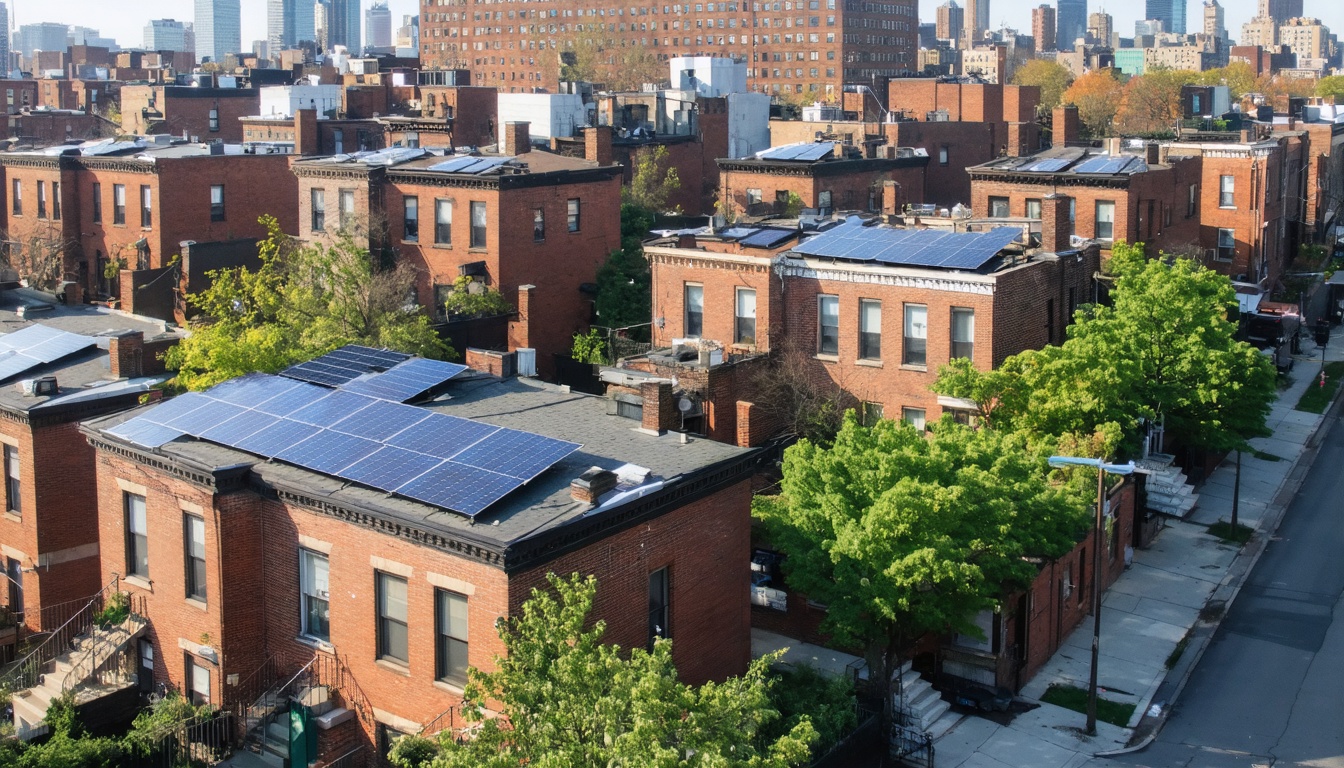
The Bronx presents notable opportunities for solar energy development, largely attributed to its numerous industrial flat roofs, especially in the South Bronx. These rooftops could serve as viable sites for solar installations, potentially allowing for substantial production of renewable energy.
Residents interested in solar energy options can utilize specialized online platforms to access community solar or individual property project sites available in New York City.
New York City’s policies are in alignment with the state’s objectives to lower greenhouse gas emissions, creating a framework that supports the adoption of solar energy technologies. Various initiatives are in place to promote the increase of solar installations among residents while reducing dependency on fossil fuels.
Moreover, financial incentives such as tax credits and diverse financing alternatives are accessible to encourage solar energy projects. For example, Con Edison provides free technical assistance, which can be instrumental in facilitating solar installations, lowering operational costs, and contributing positively to environmental conditions.
Overall, the combination of available roofing space, supportive policy measures, and financial incentives indicates the Bronx's potential for advancing solar energy initiatives in a structured and practical manner.
Exploring Available Types of Solar Solutions
Bronx homeowners can consider several solar solutions based on their property ownership status. Rooftop solar systems are a commonly approved option by Con Edison and are frequently installed across New York City, including areas such as the Bronx, Brooklyn, and Long Island. These systems help in reducing greenhouse gas emissions and contribute to sustainable energy practices. Homeowners can also benefit from New York State and federal tax credits, which can considerably lower the installation costs.
For properties unsuitable for rooftop solar systems, the city provides resources like free Technical Assistance and various financing options to facilitate the transition to solar energy. These financial resources can lead to savings on electricity bills over time, making solar energy more accessible.
Homeowners are advised to seek guidance from organizations such as Solar Energy Specialists and engage with professional networks available on platforms like LinkedIn and Twitter. These resources can offer valuable insights and assist in determining the most suitable energy solutions tailored to individual circumstances.
Accessing Community Solar Programs
Many homeowners in the Bronx face obstacles when it comes to installing rooftop solar panels, primarily due to limited space or financial constraints.
Community solar programs offer an alternative by enabling residents to participate in solar energy initiatives through larger commercial buildings. In New York City and Brooklyn, these programs are facilitated under the NY-Sun initiative, which aims to improve access to renewable energy for diverse communities.
By enrolling in community solar programs, individuals can subscribe to a portion of the energy generated by these projects and receive credits on their electric bills from Con Edison, which can lead to reduced energy costs without requiring any upfront investment. This approach contributes to the reduction of greenhouse gas emissions and may positively impact property values.
For individuals interested in community solar, various online resources provide technical assistance to identify applicable projects.
The enrollment process for community solar is generally straightforward, making it a practical option for those who want to engage with solar energy without the complexities of personal installation.
In summary, community solar programs serve as a viable mechanism for enhancing solar energy access and fostering sustainability in urban areas like NYC.
Identifying Financial Incentives and Tax Credits
Homeowners in the Bronx can reduce the financial costs associated with solar energy installation through various incentives and tax credits provided by New York State and New York City. Notable programs include property tax abatements, which can significantly decrease the overall expenses tied to solar systems.
Additionally, federal tax credits are available and can potentially cover a substantial percentage of the installation costs for eligible homeowners.
The NY-Sun initiative supports local solar projects by facilitating further installation efforts. Through net metering agreements with Con Edison, homeowners can receive credits for any excess electricity produced by their solar systems. This can lead to lower monthly energy expenditures.
There are also low-interest financing options available that can make the transition to solar energy more accessible for homeowners.
The availability of these financial tools plays a role in aiming to reduce greenhouse gas emissions and promote environmental sustainability within the community. In summary, the financial incentives currently available provide a structured approach for Bronx homeowners considering the adoption of solar energy technology.
Navigating Solar Contractors and Installation Options
Identifying a qualified solar contractor in the Bronx is essential for the successful implementation of a solar energy project. Utilizing resources from the New York State Energy Research and Development Authority (NYSERDA) can help you locate approved solar professionals familiar with New York City policies, Con Edison regulations, and the specific architectural features of Bronx properties.
These contractors can provide valuable assistance in evaluating a range of installation options, including community solar programs, as well as help navigate financing solutions, tax incentives, and state programs aimed at enhancing energy efficiency and minimizing greenhouse gas emissions.
For homeowners considering solar installation, many contractors provide complimentary roof evaluations or site assessments. These assessments are critical for determining the feasibility of solar systems for individual properties.
It may also be prudent to assess the contractors’ experience within the broader New York area, including regions such as Brooklyn and Long Island, to ensure informed decision-making. Additionally, keeping abreast of industry developments through professional networks on platforms like Twitter and LinkedIn can aid in gathering insights about current market trends and contractor credibility.
Evaluating Property Suitability for Solar Panels
Evaluating a property's suitability for solar panel installation requires an analysis of various aspects related to the roof's characteristics and environmental factors.
In New York City, roofs oriented towards the south with a slope between 20 and 40 degrees are often identified as ideal for maximizing solar energy capture. Such angles can improve sunlight exposure and may enhance energy efficiency while contributing to reductions in greenhouse gas emissions.
For properties with flat roofs, commonly found in boroughs like the Bronx, Brooklyn, and Staten Island, there are possibilities for customized solar system configurations that can capture solar energy effectively.
It is also essential to identify potential impediments that may hinder sunlight exposure, including overhanging trees, adjacent buildings, and drainage systems.
A free site analysis, which is typically provided by solar companies, is recommended to determine if a property meets New York City's regulations and building codes pertaining to solar energy.
Additionally, property owners may have access to various types of technical assistance, financial incentives, and financing options that can facilitate the transition to solar energy.
Benefits of Solar for Bronx Homeowners
For homeowners in the Bronx, installing solar panels can offer a range of financial and practical advantages. Over the lifespan of a solar system, homeowners may achieve substantial savings on electric bills, potentially amounting to over $50,000, as indicated by data from New York State. Various financial incentives, including property tax abatements offered by New York City and multiple state programs, can significantly lower installation costs, sometimes by 75% or more.
Furthermore, installing solar panels has the potential to increase property values. Research suggests that homeowners may see a property value increase of up to 5.4% as a result of this investment in renewable energy.
Additionally, community solar projects provide access to solar energy for residents who may not have the ability to install panels on their own properties. This option expands the availability of solar energy to a broader segment of the population.
From an environmental standpoint, shifting to solar energy can contribute to reduced greenhouse gas emissions, which aligns with national sustainability objectives.
Homeowners interested in exploring solar options can find support and resources through organizations such as Con Edison and other initiatives focused on solar energy development. These resources can offer technical assistance and financing options to help facilitate the transition to renewable energy.
Addressing Common Challenges in NYC Solar Adoption
Adopting solar energy in the Bronx presents several practical challenges for homeowners that warrant careful consideration. One of the significant hurdles is the high upfront cost associated with solar systems in New York City and New York State.
While these costs can be significant, there are available solar tax credits, potential savings on electricity bills, and various financing options that can help reduce the financial burden for homeowners.
The selection of approved contractors who are knowledgeable about local regulations is essential for effectively navigating the complex and often lengthy permitting process required in New York City. This understanding can facilitate compliance with relevant codes and standards, thereby streamlining the installation process.
Moreover, aesthetic concerns related to solar installations are acknowledged through customizable solutions that consider community preferences. This is particularly relevant in diverse neighborhoods such as Brooklyn, Manhattan, and Long Island, where visual impact may influence local acceptance of solar projects.
Currently, battery storage for solar energy is prohibited in certain contexts, limiting the options for homeowners.
However, community solar programs have emerged as a viable alternative. These initiatives allow individuals to access solar energy without the need for personal installations, thus providing a means to reduce greenhouse gas emissions while also achieving savings on electricity expenses. Such programs can enhance both economic viability and environmental sustainability within the community.
Community Partnerships and Workforce Development
Partnerships play a crucial role in improving solar energy access in the Bronx. Collaborations with organizations like Solar One and OnForce Solar can provide necessary resources and technical assistance for the implementation of solar projects in New York City.
These partnerships are supported by New York State policies and programs that offer free workshops, educational opportunities, and site assessments. Such initiatives can lead to reductions in greenhouse gas emissions as well as lower energy costs for participants.
Community development organizations focus on promoting equity by targeting historically marginalized neighborhoods, thereby aiming to ensure inclusive access to solar energy solutions.
Implementation of these projects can result in decreased energy bills and contribute to local job creation. Additionally, these efforts align with New York City's broader goals to decrease overall greenhouse gas emissions.
For more information regarding available resources and programs, interested individuals may reach out to Con Edison or follow relevant updates on platforms like Twitter and LinkedIn.
Long-term Ownership Models and Wealth Generation
An increasing number of residents in the Bronx are considering long-term solar ownership models as a means to enhance financial stability and promote community development. Community solar projects available in New York City allow individuals to engage in initiatives that aim to reduce greenhouse gas emissions while also realizing financial savings on their electricity bills and possibly increasing property values.
These solar installations are authorized under New York State policy and provide participants with credits that can be applied to their Con Edison electricity bills. This mechanism not only contributes to reduced energy expenses for participants but also encourages local economic development and job creation within the area.
Furthermore, the programs currently available offer various resources, including free technical assistance, a range of financing options, and access to city-specific incentives and tax benefits. Residents interested in these solar opportunities can find more information through municipal resources or connect with relevant organizations using platforms such as Twitter or LinkedIn.
In summary, long-term solar ownership models present a practical option for Bronx residents looking to achieve financial benefits while also contributing to sustainable environmental practices.
Conclusion
Adopting solar energy in the Bronx offers homeowners an opportunity to enhance energy independence and reduce utility costs. To effectively utilize solar power, homeowners should evaluate their property's solar potential based on factors such as roof orientation, shade, and energy consumption patterns. It is essential to engage with qualified solar installers who can provide accurate assessments and installation options. Additionally, community initiatives, such as shared solar projects, may offer further benefits to those unable to install solar panels directly on their property. Financial incentives, including tax credits and rebates, can also significantly decrease the overall cost of solar installation, making it a more viable option for many homeowners. By systematically researching available resources and understanding the specific requirements of their properties, Bronx homeowners can make informed decisions regarding solar energy. This strategic approach could lead to not only cost savings but also a contribution to the overall sustainability goals of the community.